 Start Read
 Recommend
Create a 10-slide digital storybook for children aged 4–10. The storybook should introduce and explain four key nutrition assistance programs: • WIC (Women, Infants, and Children) • NSLP (National School Lunch Program) • SBP (School Breakfast Program) • CACFP (Child and Adult Care Food Program) Your story should educate young readers using simple language and engaging visuals. Incorporate community nutrition education principles, behavior change theories, cultural competence, and marketing strategies. Assignment Instructions: 1. Planning Phase A. Community Assessment • Choose a Target Group: Select a specific community (e.g., low-income urban families, rural populations, immigrant communities). You can use a group from a previous assignment if applicable. • Research: Find information about the nutritional status and challenges children in this community face using reliable sources like government health reports or academic studies. • Identify Knowledge Gaps: Determine what these children and their families might not know about nutrition and available food assistance programs. B. Set Objectives and Choose a Behavior Change Theory • Define Goals: Set clear, specific objectives for your storybook (e.g., increase awareness of nutrition programs among children aged 4–10 in your chosen community). Community Nutrition Assignment 3 Instructions • Select a Theory: Pick a behavior change theory to guide your content (e.g., Social Cognitive Theory, Health Belief Model etc). • Plan Implementation: Outline how you will use the chosen theory to influence children's perceptions and behaviors about nutrition.

“In the kitchen bright and sunny, Mom and Dad had made breakfast, oh so yummy. Dad read the paper, pancakes piled high, while Mom baked muffins, warm and sky. They called for young Sere, in a morning flurry, "Come down and eat, don't be in a hurry!" Sere slid down the banister, like a whirlwind of fun, to the table with food, a battle just begun. There was fruit, pancakes, and waffles galore, oatmeal, juice, milk, and much, much more. On his plate, he piled up the fruit so sweet, and a bowl of marshmallow cereal, a sugary treat. But Sere, oh dear, started to play, with his food, not eating it right away. In his hands, a muffin and melon so cool, in his imagination, he was nobody's fool. "So we meet again, Dr. Cavity," he declared, as into his daydream, he boldly dared. As Super Sere, with a cape so grand, he'd save kids from unhealthy food in the land. Mangoes gave him X-ray vision so keen, to see through the sugar that Dr. Cavity would scheme. Oranges, strawberries, and kiwi so bright, brought vitamin C to heal, with all their might. Berries, for speed to defeat Dr. Cavity's fuss, against sugar-filled cereals, and foods so unjust. But back in the real world, he heard a call, "The bus is here!" – it was time to enthrall. He grabbed an orange, berries in a dash, and off to the bus, he'd quickly flash. Energized and eager, for the day ahead, his lunch bag adventures, no one could dread. For Sere was a hero, fighting the good fight, making healthy choices, morning and night. The end of this tale, with lessons quite clear, choose healthy foods, have no fear. Be a superhero, just like Sere, and your body and mind will always be in the clear”
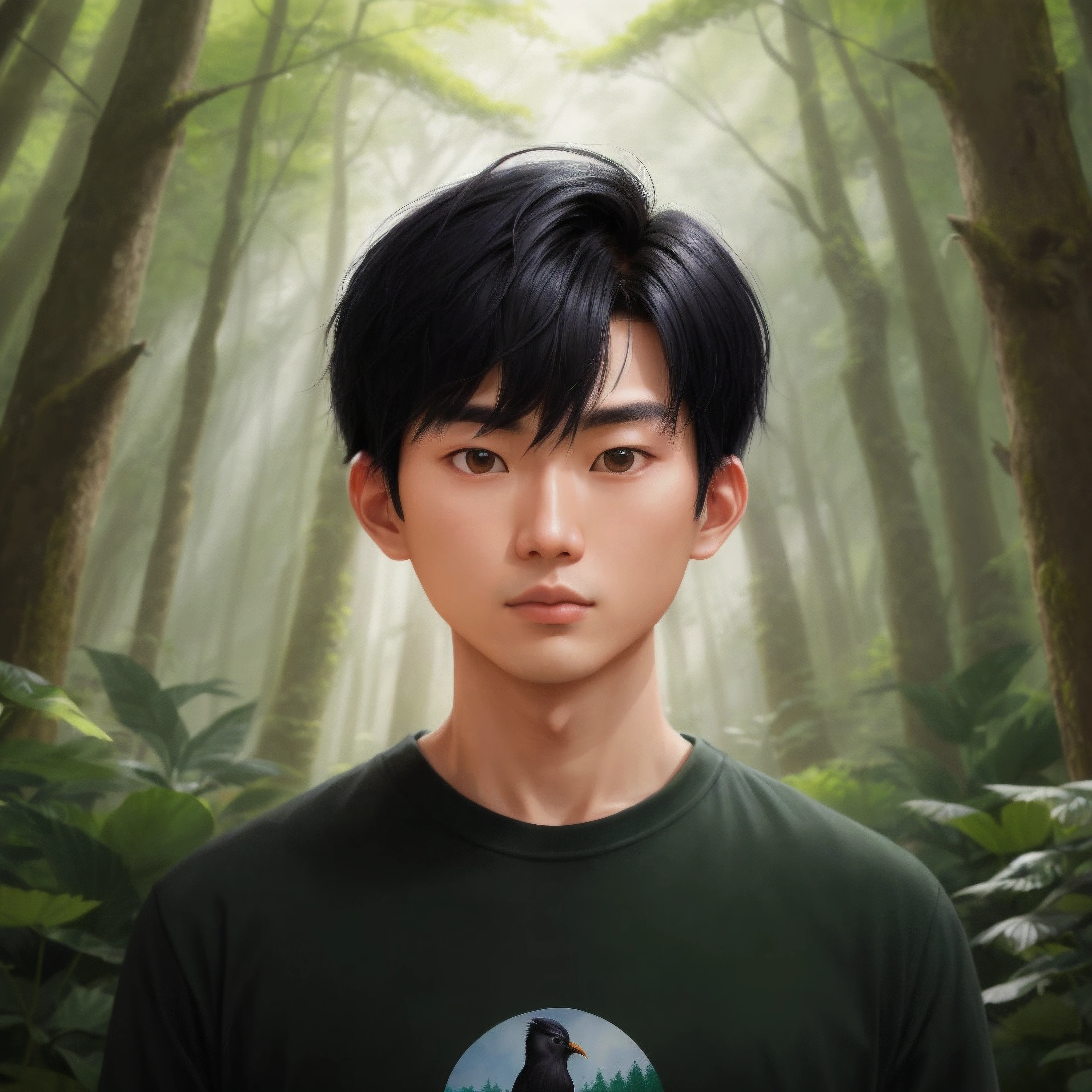
A boy Vibe in alone in a forest and his name Is AloneVibe . the name AloneVibe is print On his Shirt
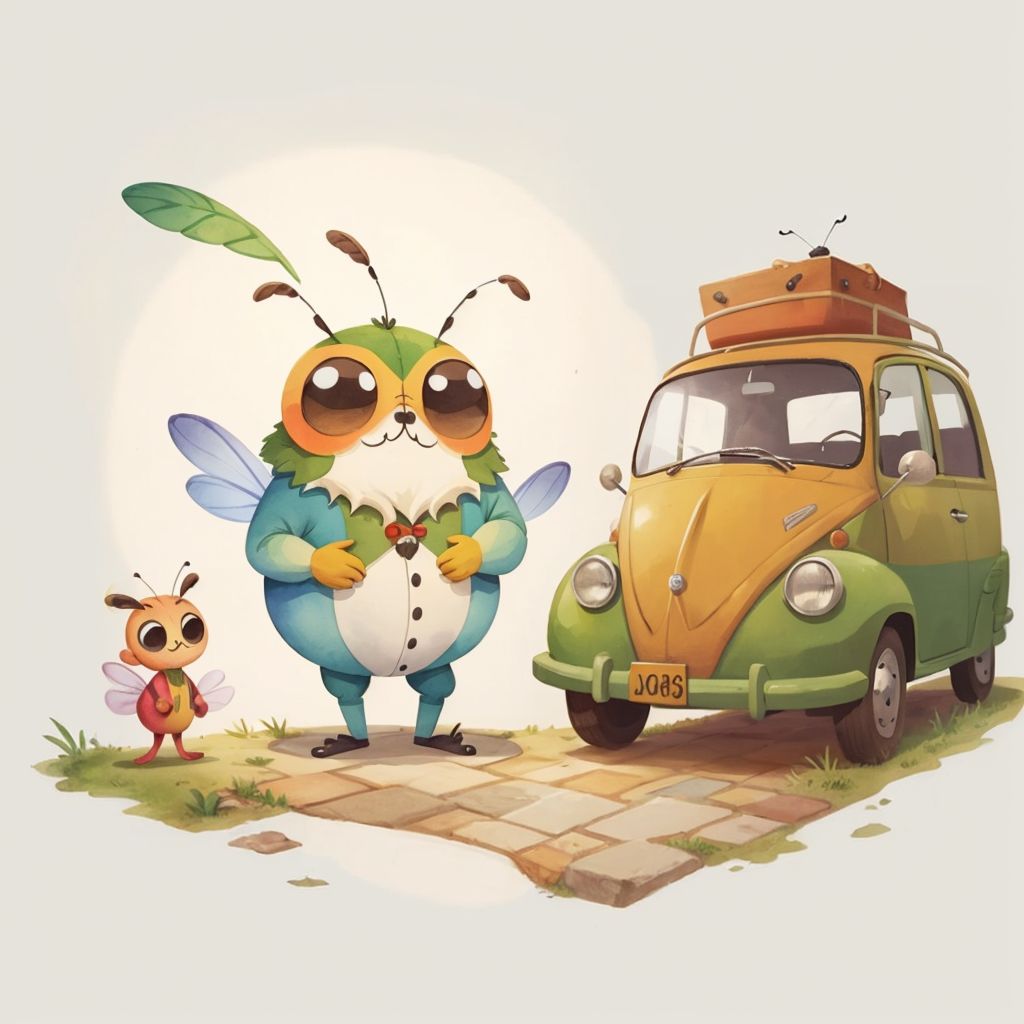
a family of tics goes on a Sunday drive
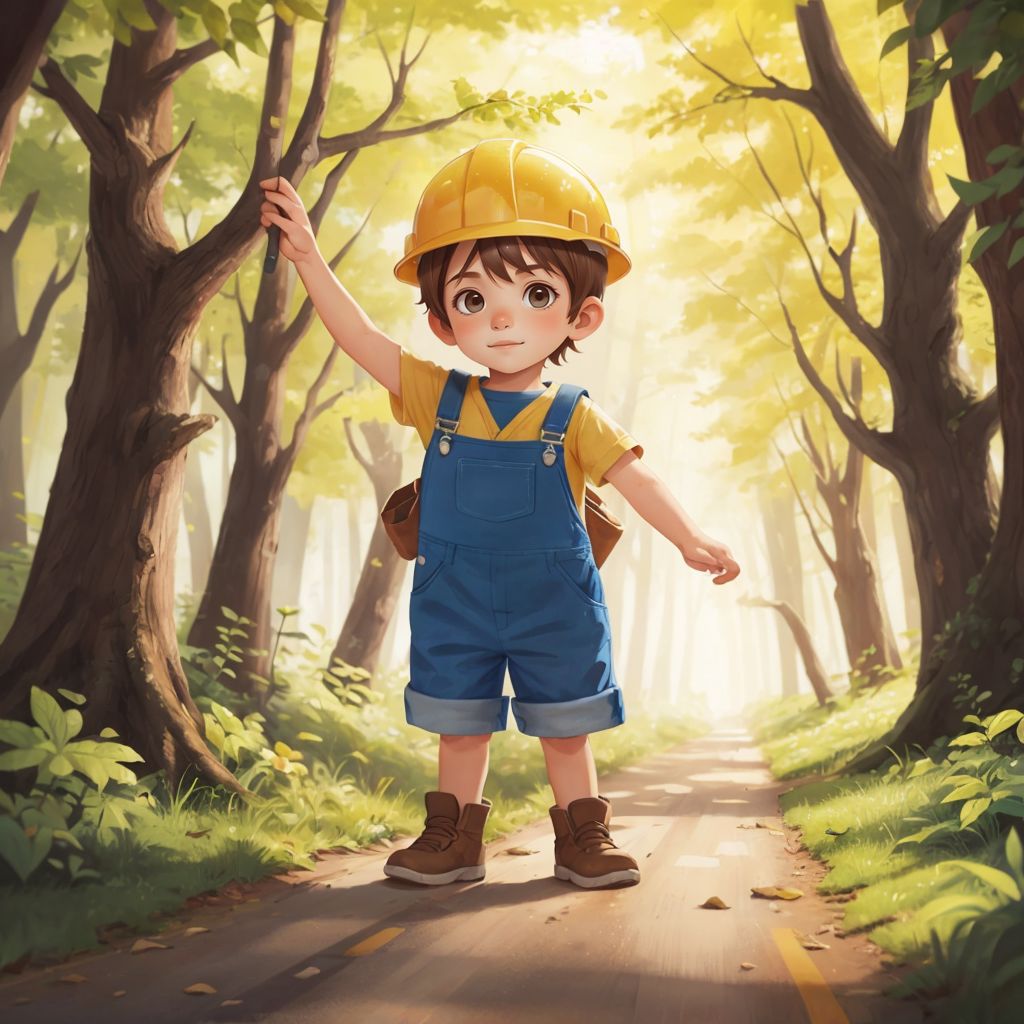
There re 2 characters in the book. Tim is a 7 years old boy wearing a yellow hard hat aтв a blue overall. And Digsby - a yellow wheeled exavator. In the magical forest of Buildington, Digsby the digger and his best friend Tim set out to finish building a road for the forest animals. Working as a perfect team, they scoop and transport sand, but an unexpected mishap occurs when Digsby loses a wheel, leaving him stuck. With the help of Max the Loader, they recover and reattach the wheel, allowing Digsby to get back to work. They continue their task, spreading and smoothing the sand with the assistance of Robbie the Roller, until the road is finally complete. The animals cheer as Digsby and Tim finish their work, return to the yard, and rest after a productive day.
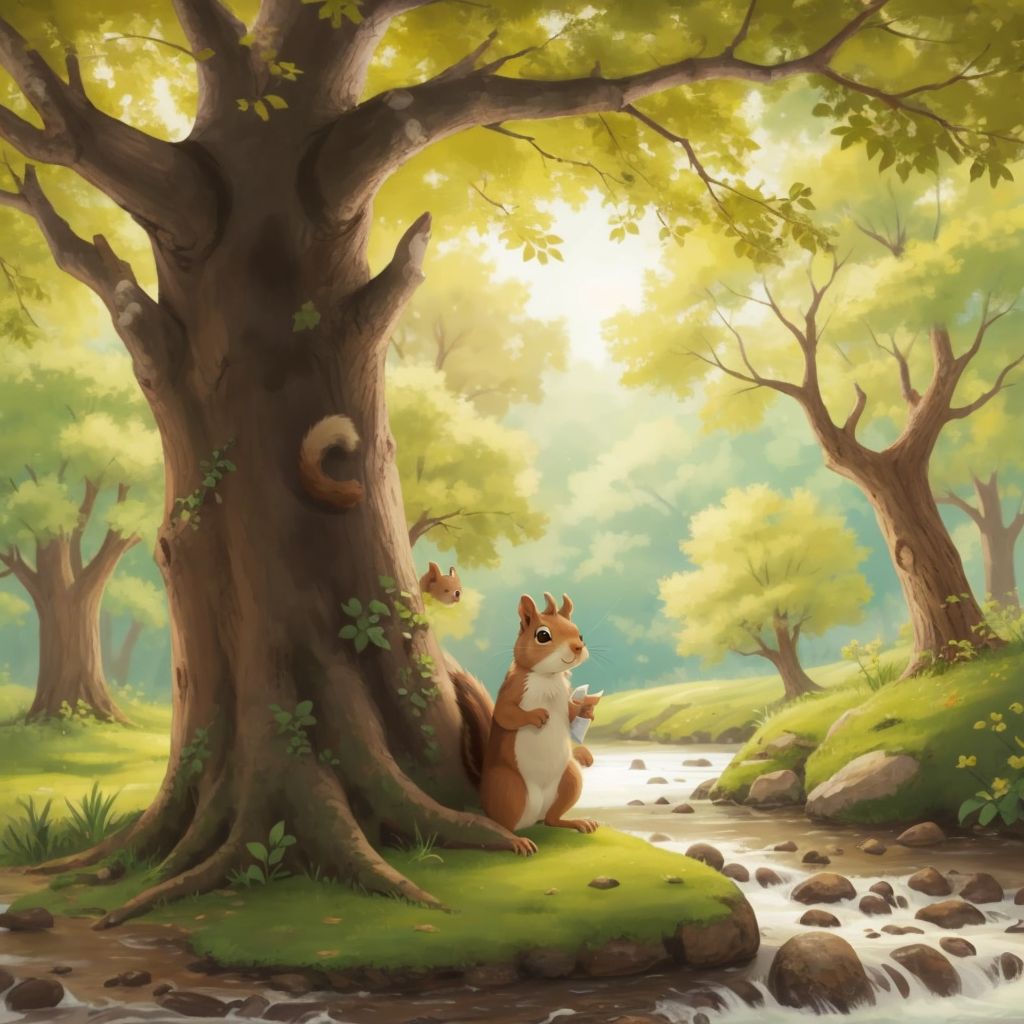
In the enchanted Forest of Whimsy, where animals talk and magic happens daily, Sunny the Squirrel discovers an old map in his favorite oak tree. The map leads to hidden treasure, so Sunny gathers his friends: Lily the Rabbit, Benny the Beaver, and Rosie the Robin for an adventure. **Key Adventures:** 1. **The River Crossing:** Benny builds a bridge to cross a fast-flowing river. 2. **The Dark Cave:** Rosie guides them through a spooky, dark cave. 3. **The Puzzle Garden:** Lily solves magical puzzles and riddles. 4. **The Mountain Climb:** They climb a steep mountain together, relying on teamwork. **Climax:** At the mountain's peak, they find an enchanted tree with a magical seed instead of gold. Planting the seed, it grows into a tree that spreads joy and magic across the forest. **Moral:** The story teaches the value of friendship, teamwork, and enjoying the journey. True treasure lies in shared experiences and the bonds we create.
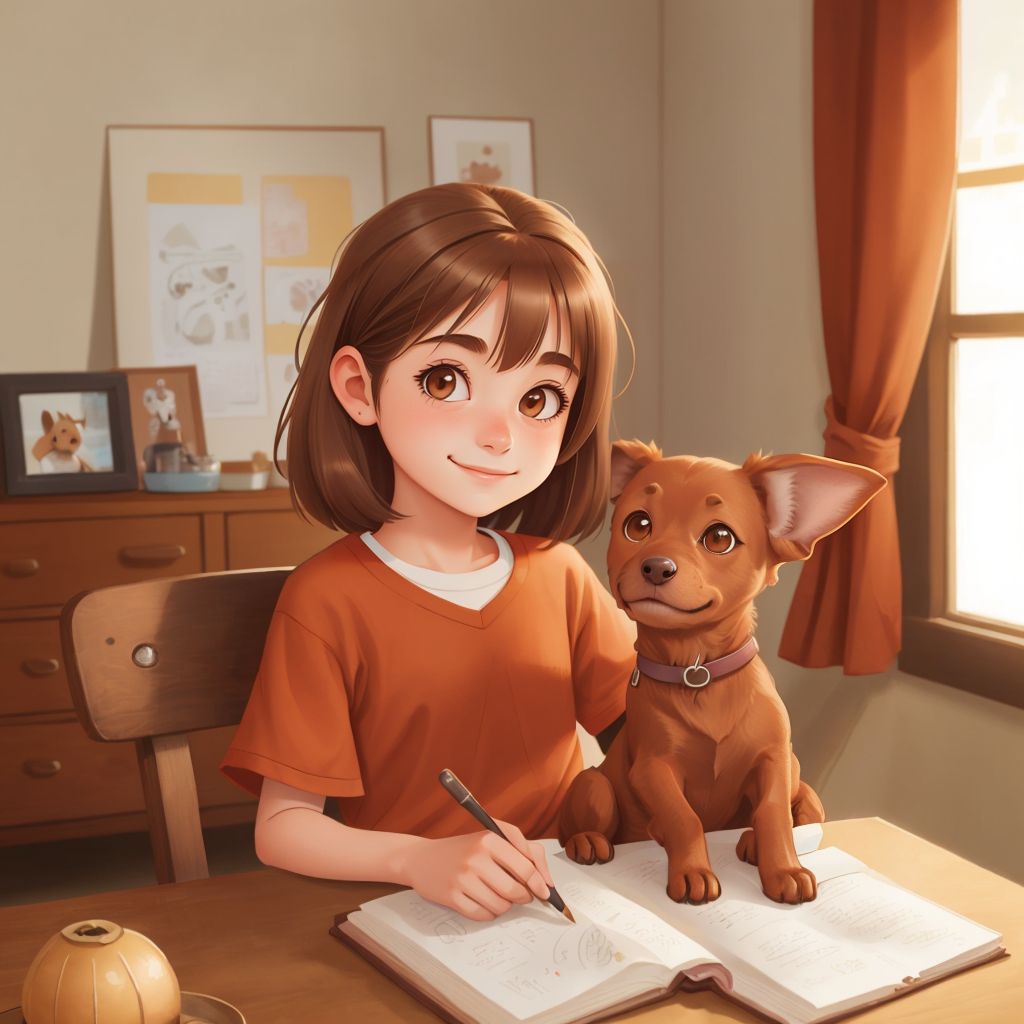
This introductory children’s book tells the story of Hannah Rose and her lovable, high-energy Vizsla puppy, Max. From the moment Max arrives, he explores every corner of the house, chases squirrels, and bounds around the yard—mischievous yet full of heart. Despite his playful chaos (like diving into kibble and spraying soapy bathwater), Max quickly becomes an irreplaceable member of the family. He comforts Hannah when she’s stressed, brightens everyday moments with his friendly exuberance, and keeps everyone laughing at his spirited antics. The final pages tease bigger adventures on the horizon, hinting that Max’s next outing will be even more exciting—and, of course, more mischievous.

Elly had a party, what happened next surprised everyone!
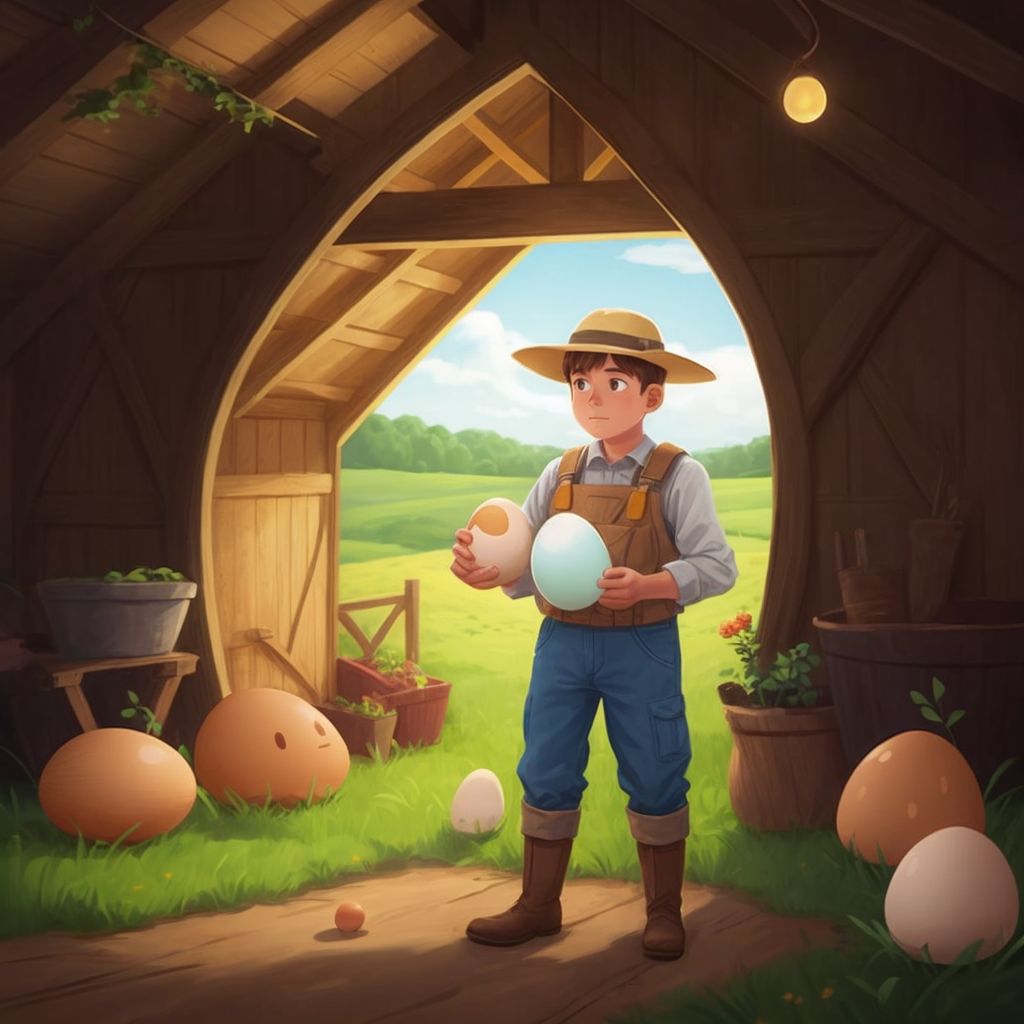
A farmer found an egg and took it to hus barn and placed it among his chickens. After it hatched, it looked different but was raised as the chickens. One day an eagle flew by and saw the eaglet. He called the eaglet to fly up to him. The eaglet said, i cannot fly so high. The eagle encouraged him to try and to the eaglet's surprize he began soaring.
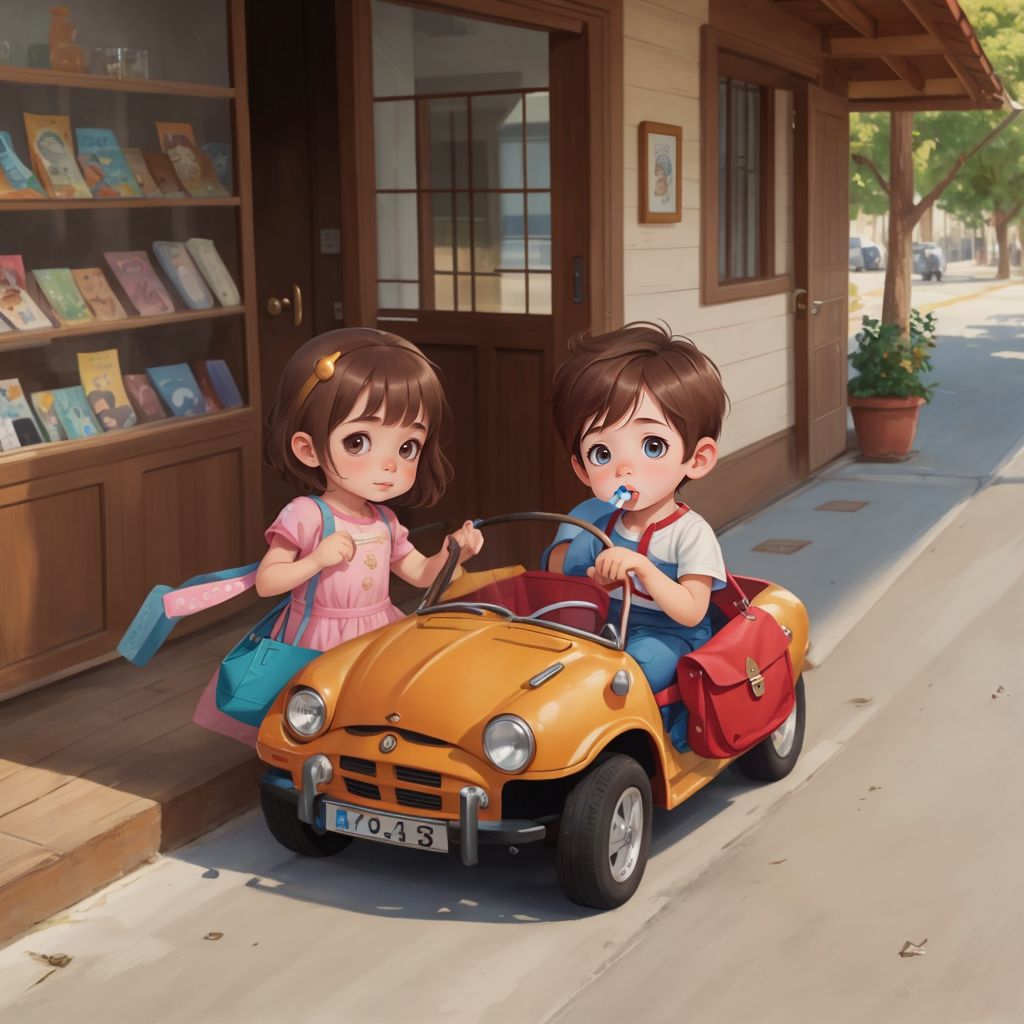
Siblings Remi and Drew go to Mimi's for the weekend. They ate so excited and they know they're gonna have so much fun! They cooked spaghetti and make cookies, the cleaned the house some, they played with Mimi's cats, and watched movies. They always love going to Mimi's
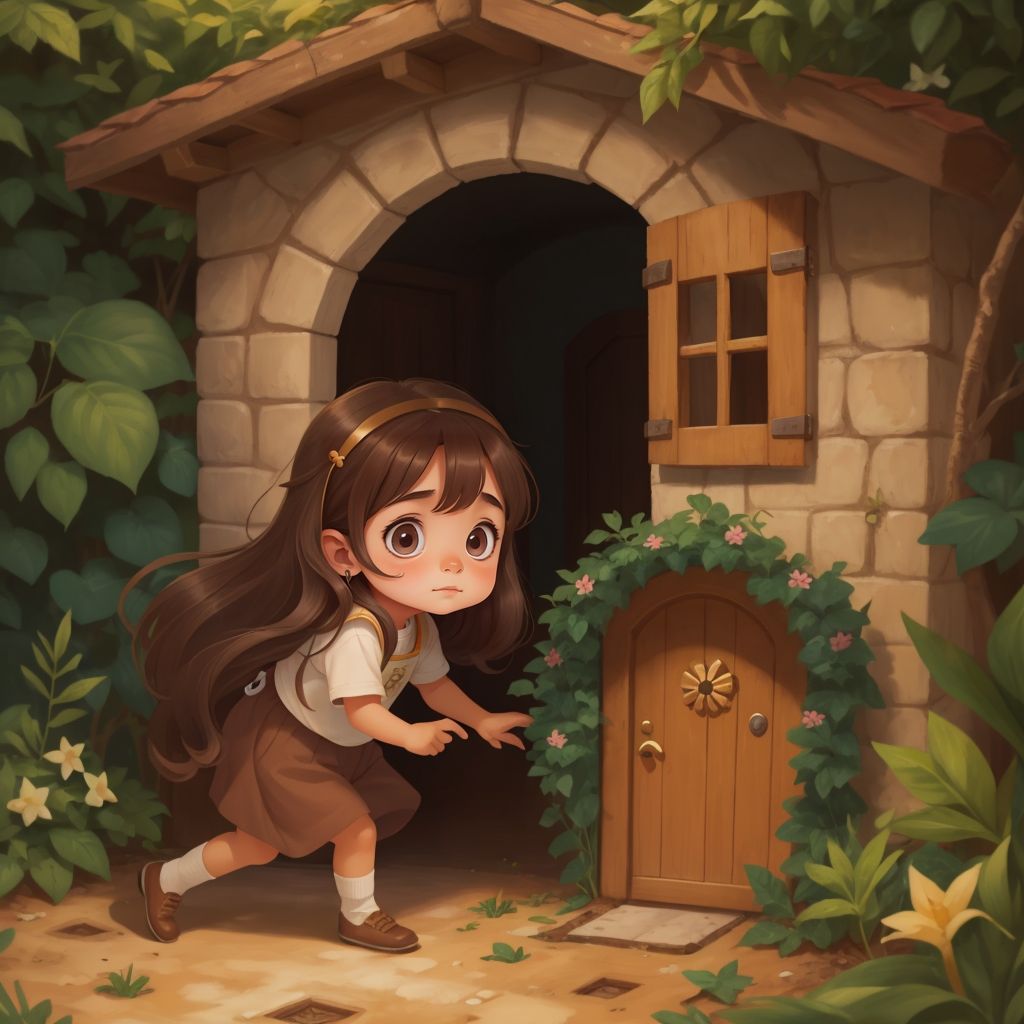
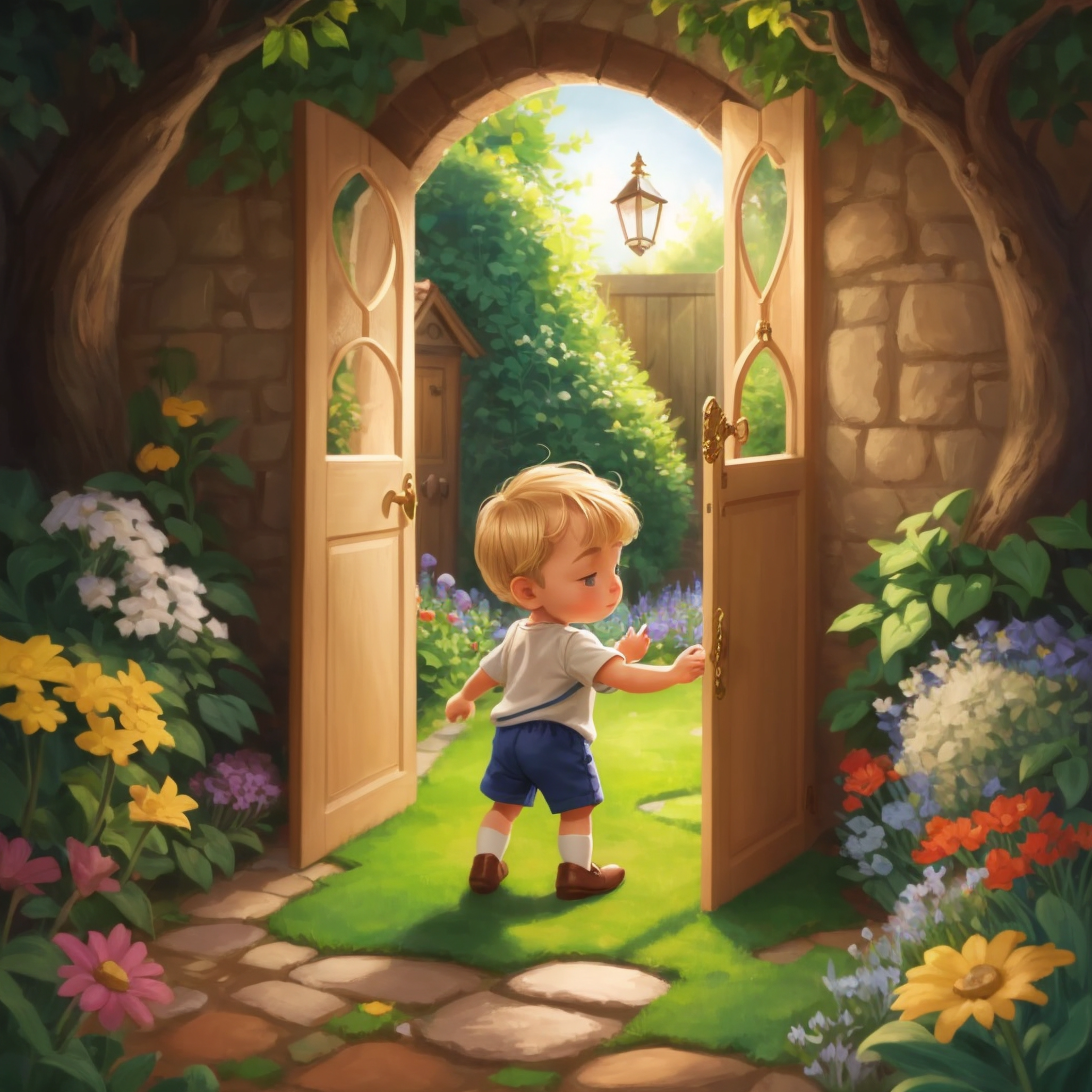
LILY DISCOVERS A HIDDEN MAGICAL GARDEN IN HER BACKYARD AND GOES ON A MAGICAL ADVENTURE WITH HER NEW FRIENDS , THE TALKING ANIMALS AND AND PLANTS THAT LIVE THERE. THROUGH THEIR ADVENTURES, LILY LEARNS ABOUT THE IMPORTANCE OF KINDNESS AND FRIENDSHIP.
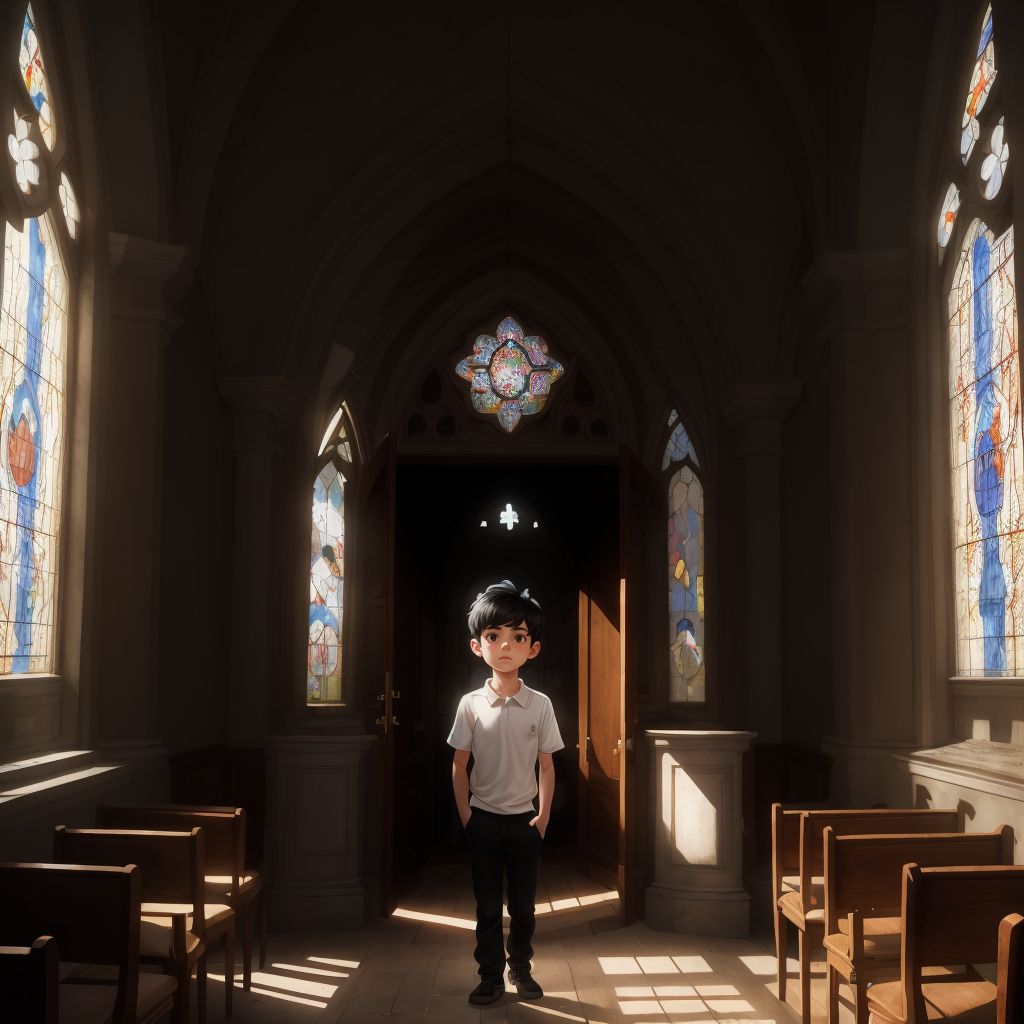
ni
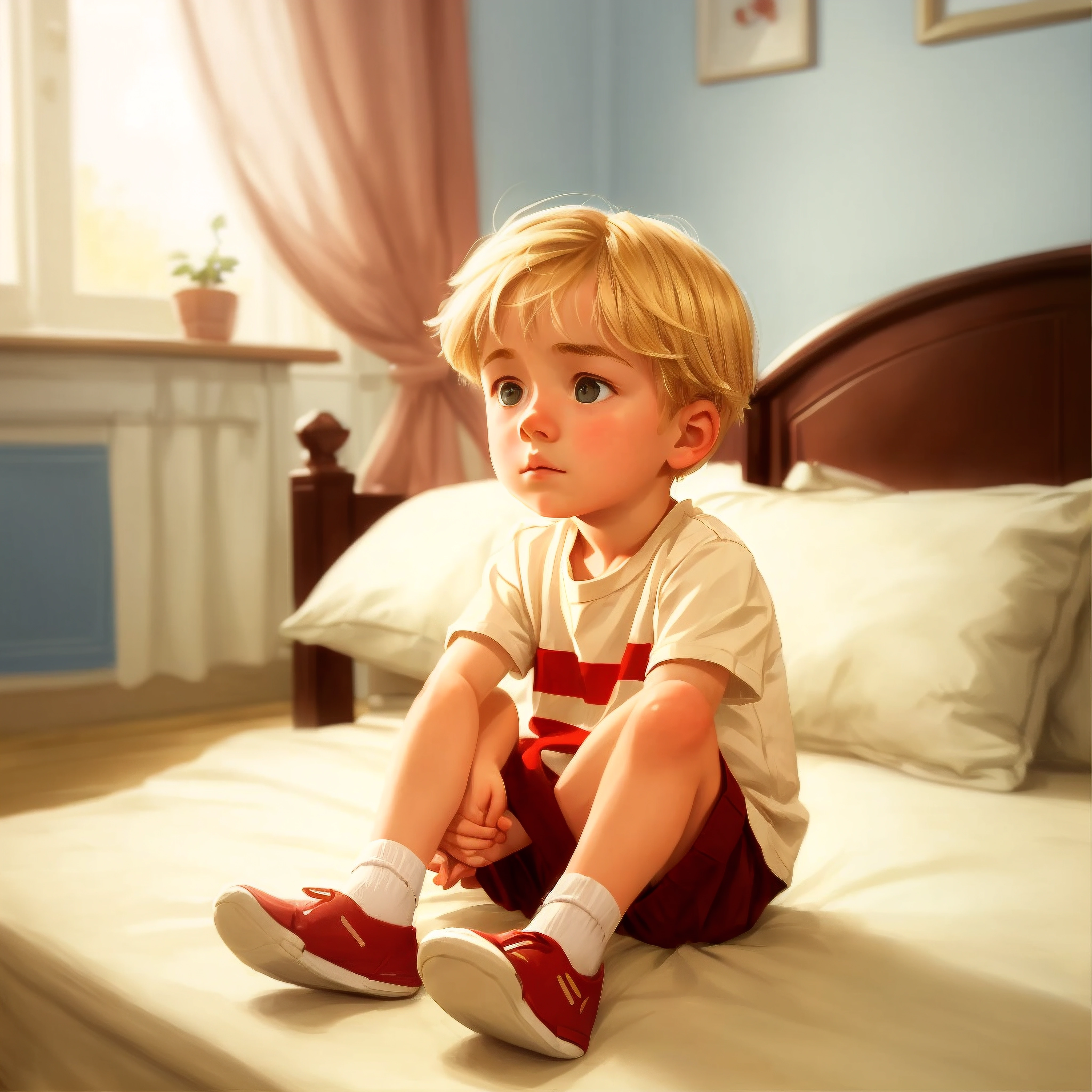
Marley needs to go to the hospital but is scared
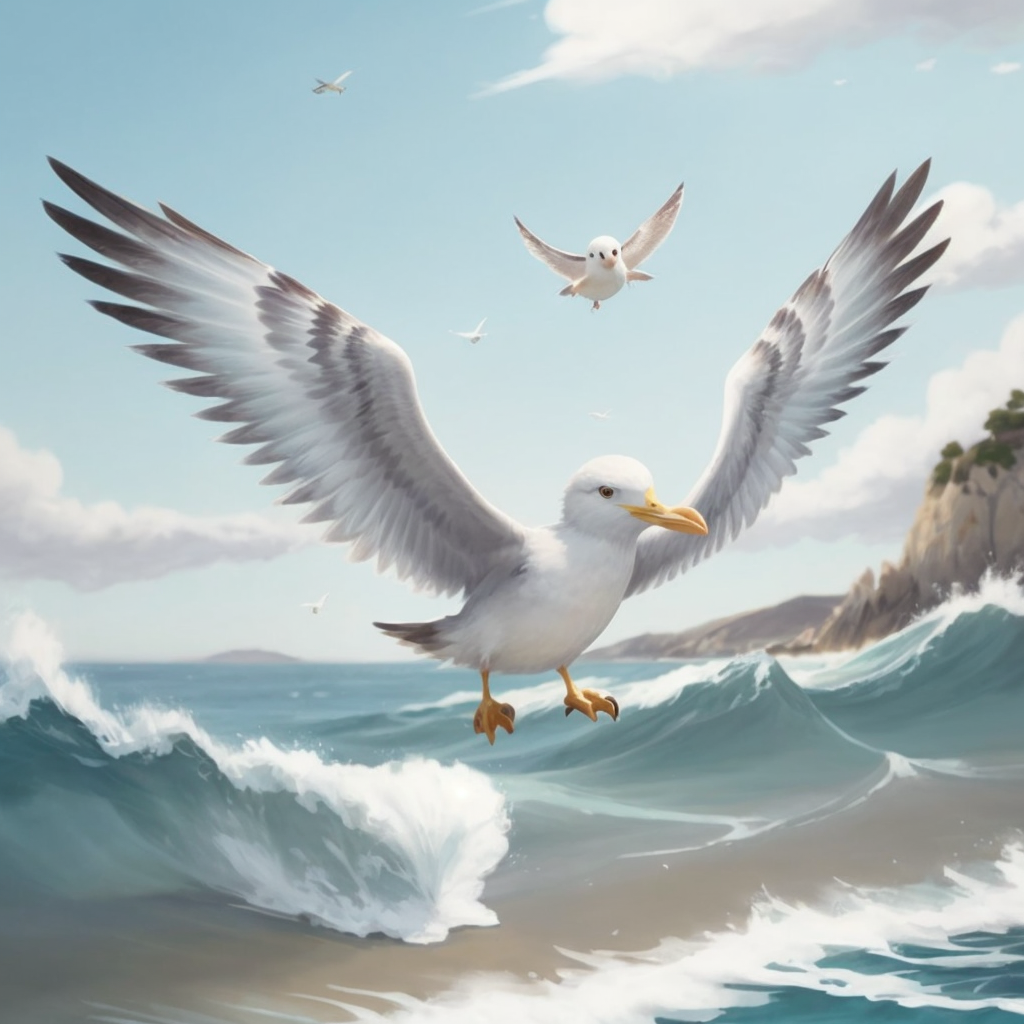
It was a beautiful day in Monterey Bay. a baby seagull and an otter chase each other in and out of the waves. the otter seemed annoyed, but then begins to share his lunch with the seagull because he was hungry and couldnt find food. unlikely friends take care of each other and otter swims away with family. make this a rhyming book.
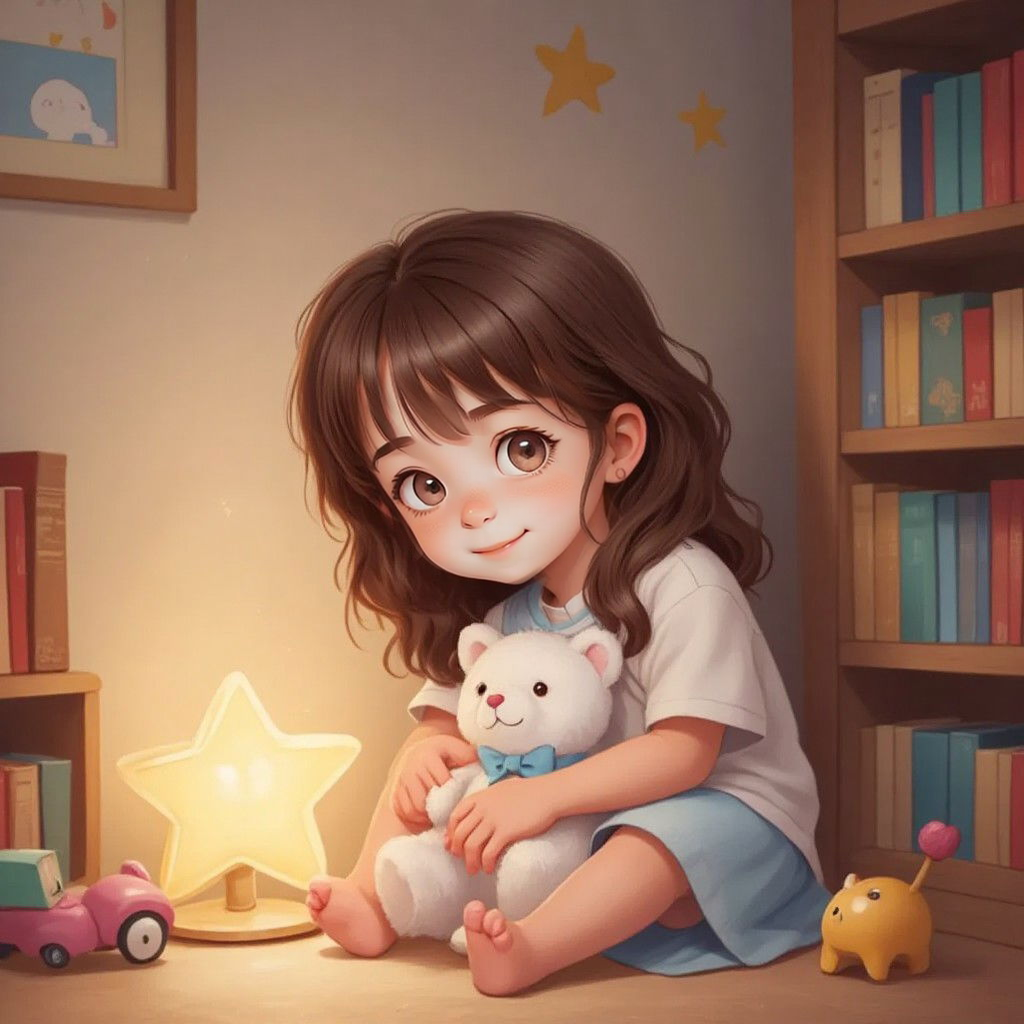
Things that comfort a small child when getting into bed.
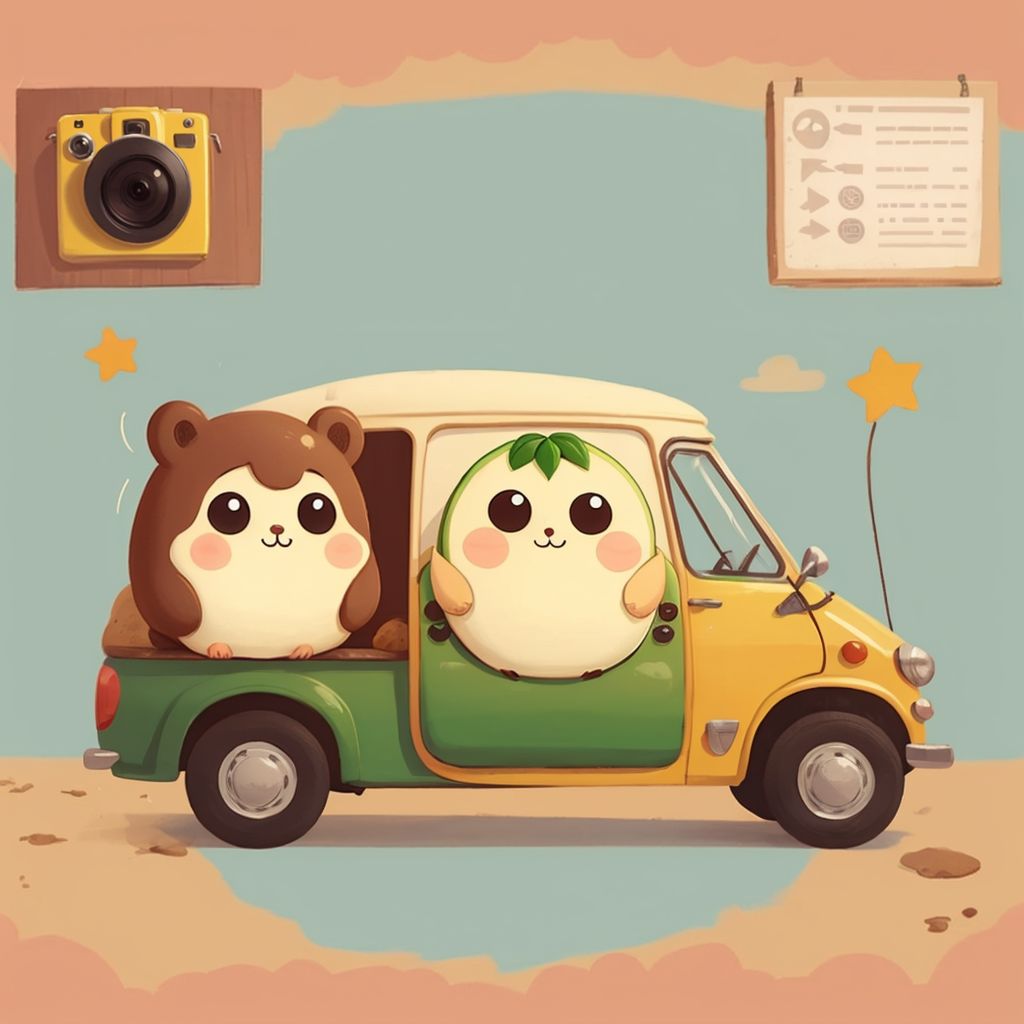
Peanut and Avo go on a road trip adventure
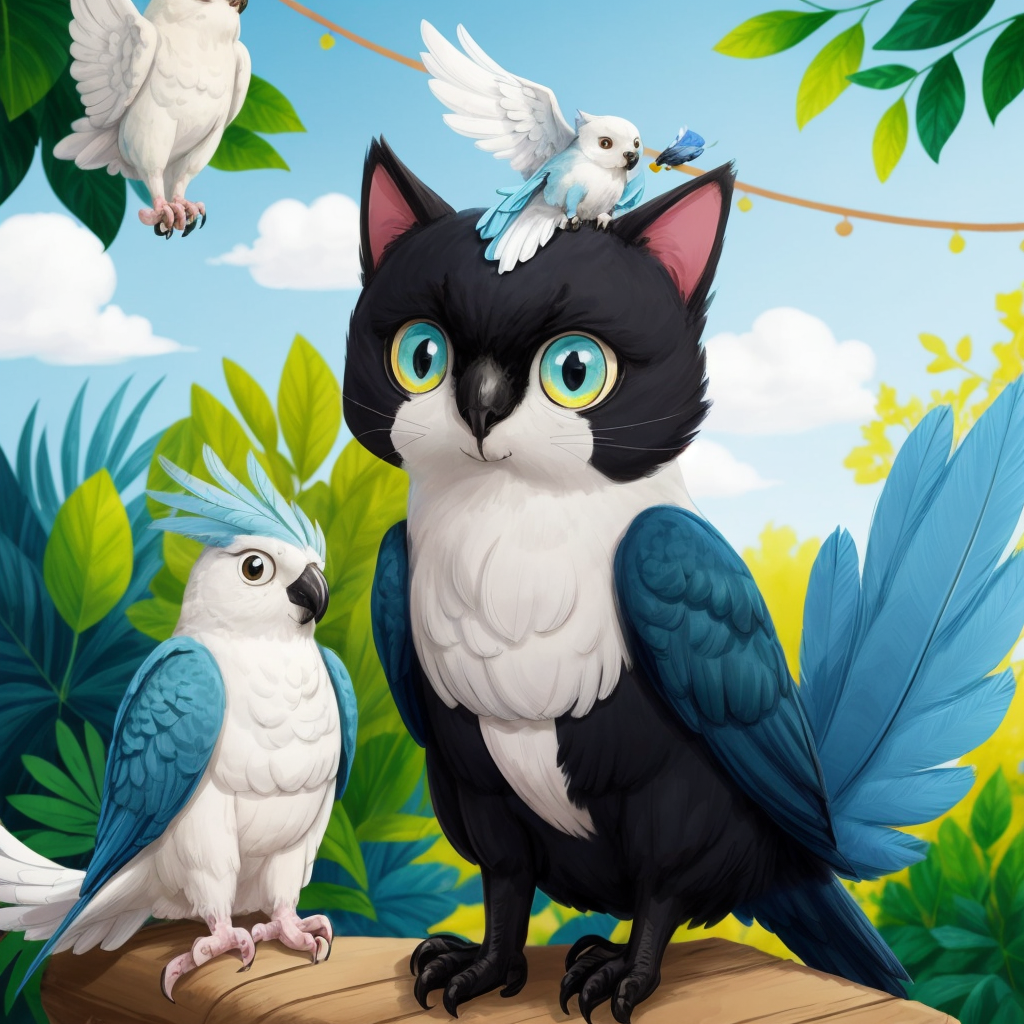
Chasing butterflies
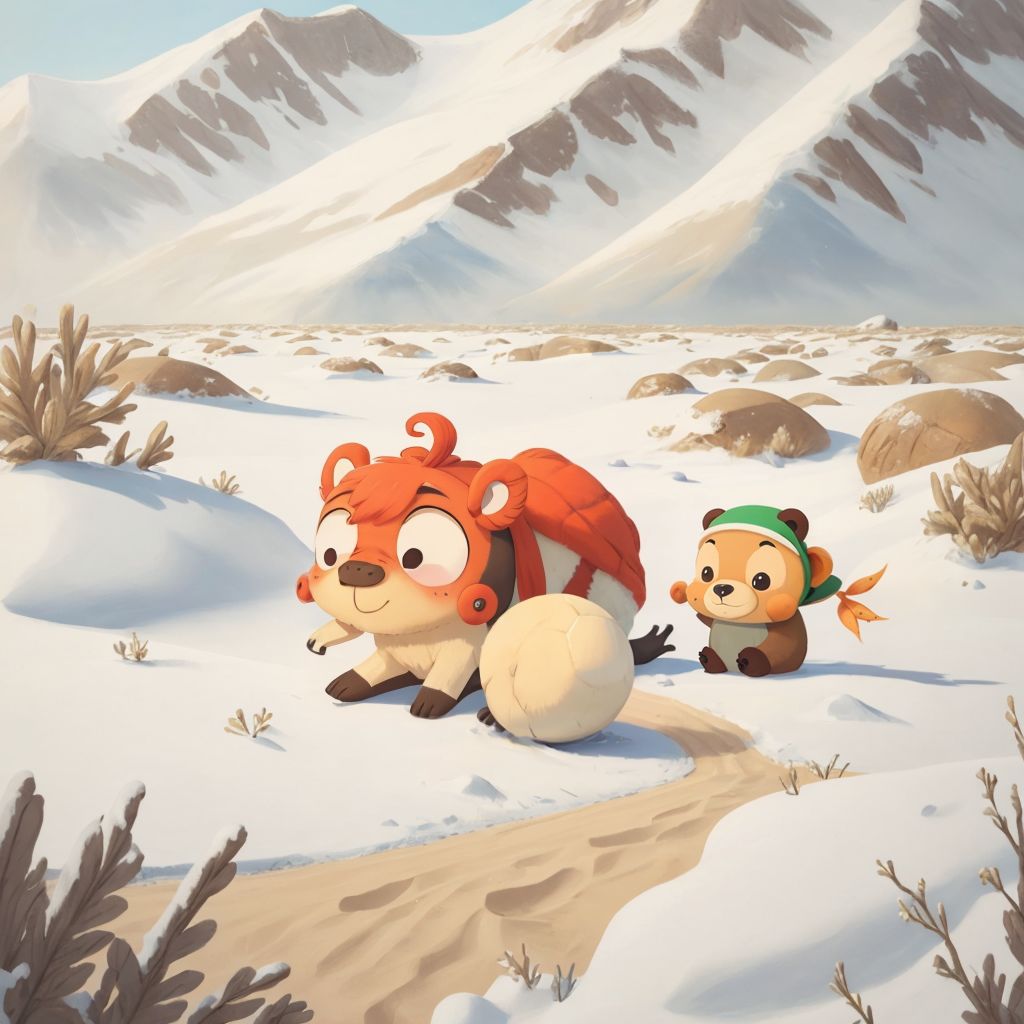
Last night it snowed and the sand hills were turned into white. Bunbun, Babu and Gugi built the snowman and were having a snowball fight. Suddenly they have noticed a big gift box.
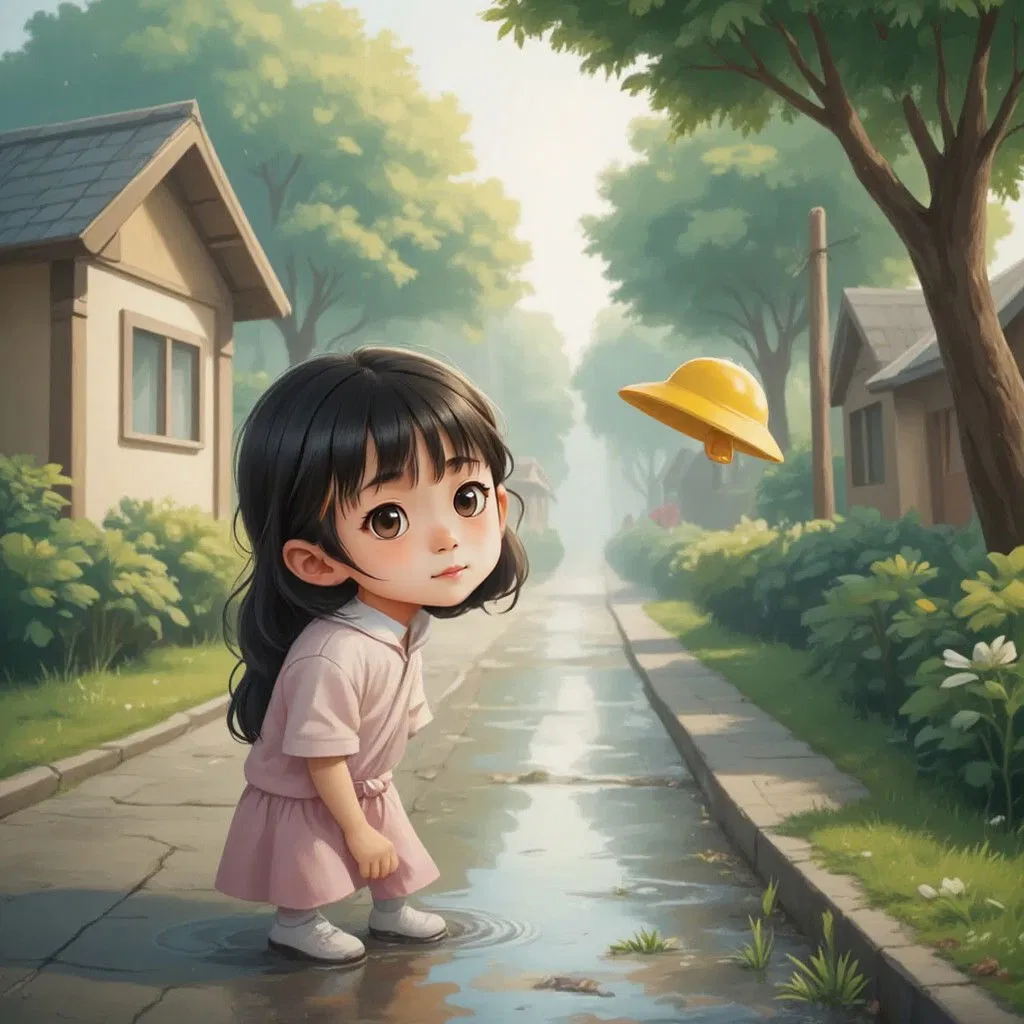
A Walk in the Mangroves" is an educational narrative about a young Singaporean girl named Abby who learns environmental responsibility through a school field trip to a mangrove swamp. The story begins with Abby impulsively throwing away her mother's rain cap, which subsequently blows into a gutter. During a field trip led by environmental volunteers Robert and Cheryl, Abby and her classmates explore the unique ecosystem of mangroves, discovering various plants and animals while learning about the environmental challenges facing these habitats. A pivotal moment occurs when Abby finds her discarded rain cap on the beach, now containing a dead mudskipper—a poignant illustration of how carelessly discarded plastics harm marine life. The students participate in a beach cleanup, collecting 27 bags of trash, and Abby gains a profound understanding of environmental conservation. Through Cheryl's guidance, Abby learns that while cleaning efforts might seem futile, consistent action is crucial in protecting delicate ecosystems. The narrative effectively combines a personal story of a child's growth with broader environmental education, emphasizing the importance of individual responsibility in addressing ecological challenges.
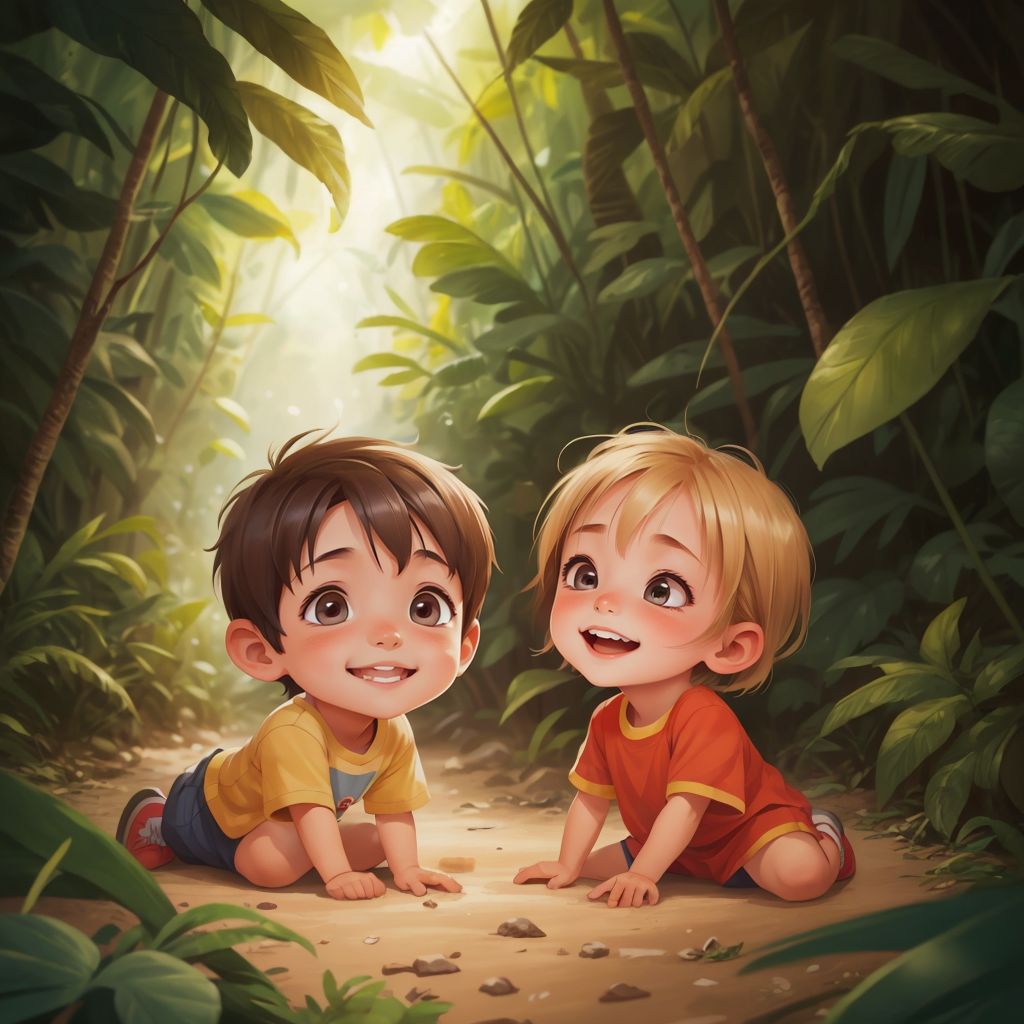
Page 1: Osh and Ish are bored. "Let's do something big!" Osh suggests. "How about a carnival?" Ish adds, eyes sparkling. Page 2: XL loves the idea. "We'll each make a game or ride. It'll be our own carnival!" she declares. Page 3: Osh decides to build a mini roller coaster with cardboard boxes and toy cars. "This is physics!" he exclaims. Page 4: Ish creates a "Ring Toss" game using old bottles and rings. "I need to measure these," she says, using a ruler. Page 5: XL crafts a "Balloon Pop" game, teaching them about air pressure as they fill balloons with different amounts of air. Page 6: They decorate with streamers and signs, turning their backyard into a vibrant carnival. "Art makes it magical!" XL says. Page 7: Osh tests his roller coaster, adjusting the slopes. "Too fast!" he notes, adding more curves for safety. Page 8: Ish sets up her game, making sure the rings fit just right. "It's all about the right size," she explains. Page 9: XL helps them price tickets for games, teaching them about money and value. "Each ticket is a chance to win!" she says. Page 10: They invite friends and neighbors. "Welcome to Osh and Ish's Carnival!" they announce, opening the gates. Page 11: Everyone enjoys the games. Kids laugh as they try to navigate Osh's roller coaster. "This is so cool!" they cheer. Page 12: Ish's game is a hit, with kids trying to win small prizes. "You're a game designer now!" XL praises her. Page 13: As the day winds down, they count their "profits" - in fun and laughter. "We're entrepreneurs!" Osh declares proudly. Page 14: They clean up together, talking about what they learned. "We made something from nothing," Ish realizes. Page 15: XL nods, "You both showed creativity, teamwork, and learned a lot. That's what real adventures are about." Page 16: As night falls, they plan their next project, inspired by the success of their carnival. "What's next?" they wonder aloud, already dreaming of new adventures.